Looking into Tiling Your Floors? Comprehensive Guide to Kitchen Floor Tile Types and Durable Flooring Options
Choosing the right flooring for your kitchen can significantly impact both the aesthetics and functionality of the space. With a variety of tile options available, understanding the characteristics, benefits, and maintenance needs of each type is essential. This comprehensive guide will explore different kitchen floor tile types, their durability, and key considerations for selecting the best option for your home. Many homeowners face challenges in balancing style, durability, and maintenance when it comes to flooring. This article aims to provide clarity on these aspects, helping you make informed decisions. We will cover types of kitchen tile flooring, design considerations, durability ratings, water resistance, maintenance tips, installation considerations, and comfort factors.
Research consistently highlights that homeowners prioritize durability, ease of maintenance, and hygiene when selecting interior floor finishes, especially for high-traffic areas like kitchens.
Floor Finish Selection: Durability, Maintenance, Hygiene
This study investigates how Malaysian residents select hygienic interior floor finishes to support sustainable living environments. Recognizing flooring’s impact on health, comfort, and safety particularly in tropical climates prone to moisture and allergens. This research addresses a critical gap in existing literature by examining hygienic material selection in Malaysian residential interiors. Using a Kruskal–Wallis test on data from 314 respondents across 11 residential areas in the Kinta District, the study reveals that residents prioritize durability, ease of maintenance, and hygiene. Materials such as tiles, timber, marble, carpet, mosaic, and vinyl are selected based on performance in specific spaces.
SELECTION CRITERIA WHICH INFLUENCE RESIDENTS’
PREFERENCES FOR HYGIENIC INTERIOR FLOOR FINISHES, NA Halim, 2025
Comprehensive Guide on Kitchen Floor Tile Types and Durable Flooring Options
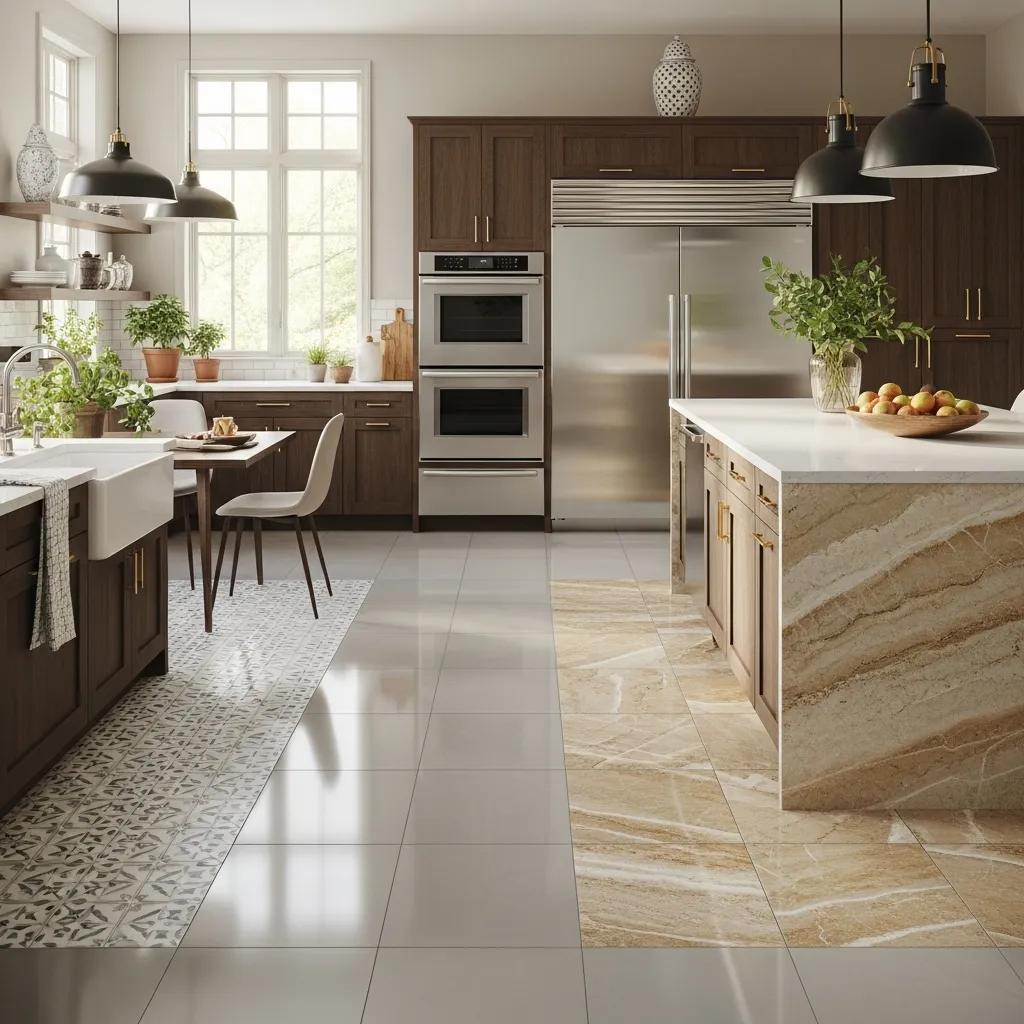
When it comes to kitchen flooring, tiles are a popular choice due to their versatility and durability. Various types of tiles are available, each with unique properties that cater to different needs and preferences. Understanding these options can help you select the best type of tile for your kitchen floors, ensuring a balance between style and practicality.
Types of Kitchen Tile Flooring:
There are several types of tiles suitable for kitchen flooring, each offering distinct advantages.
- Ceramic Tile: Known for its affordability and variety, ceramic tile is a popular choice. It is easy to clean and maintain, making it ideal for busy kitchens. Additionally, ceramic tiles come in various colors and patterns, allowing for creative design options.
- Porcelain Tile: A subtype of ceramic tile, porcelain is denser and more durable. It is highly resistant to moisture and stains, making it suitable for kitchens that experience heavy use. Porcelain tiles can mimic the look of natural stone, providing an elegant aesthetic.
- Natural Stone Tile: Options like granite, marble, and slate offer a luxurious look and feel. While they are generally more expensive, natural stone tiles are incredibly durable and can last a lifetime with proper care. However, they require sealing to protect against stains and moisture.
Design Considerations:

When designing your kitchen with tiles, several factors should be considered to achieve the desired look and functionality.
- Tile Size and Shape: Larger tiles can create a sense of spaciousness, while smaller tiles can add intricate detail. The shape of the tiles, whether square, rectangular, or hexagonal, can also influence the overall design.
- Color Coordination: Choosing colors that complement your kitchen’s overall design is crucial. Lighter colors can make a space feel larger, while darker shades can add warmth and coziness.
- Texture: The texture of the tiles can impact both safety and maintenance. Textured tiles can provide better grip, reducing the risk of slips, while smooth tiles may be easier to clean.
Dartmouth Building Supply offers design consultation services to help you navigate these considerations, ensuring your kitchen flooring aligns with your vision.
Durability Ratings:
Understanding tile durability is essential for making a long-term investment in your kitchen flooring. The Porcelain Enamel Institute (PEI) rating system classifies tiles based on their durability and suitability for different environments.
This table illustrates how different tile types are rated for durability, helping you choose the right option based on your kitchen’s usage.
Water Resistance:
Water resistance is a critical factor in kitchen flooring, as spills and moisture are common.
- Ceramic and Porcelain Tiles: Both types are generally water-resistant, but porcelain tiles offer superior performance due to their lower water absorption rates.
- Natural Stone Tiles: While beautiful, natural stone tiles can be porous and may require sealing to prevent water damage.
Choosing water-resistant tiles can significantly reduce maintenance and prolong the life of your flooring.
Maintenance Tips:
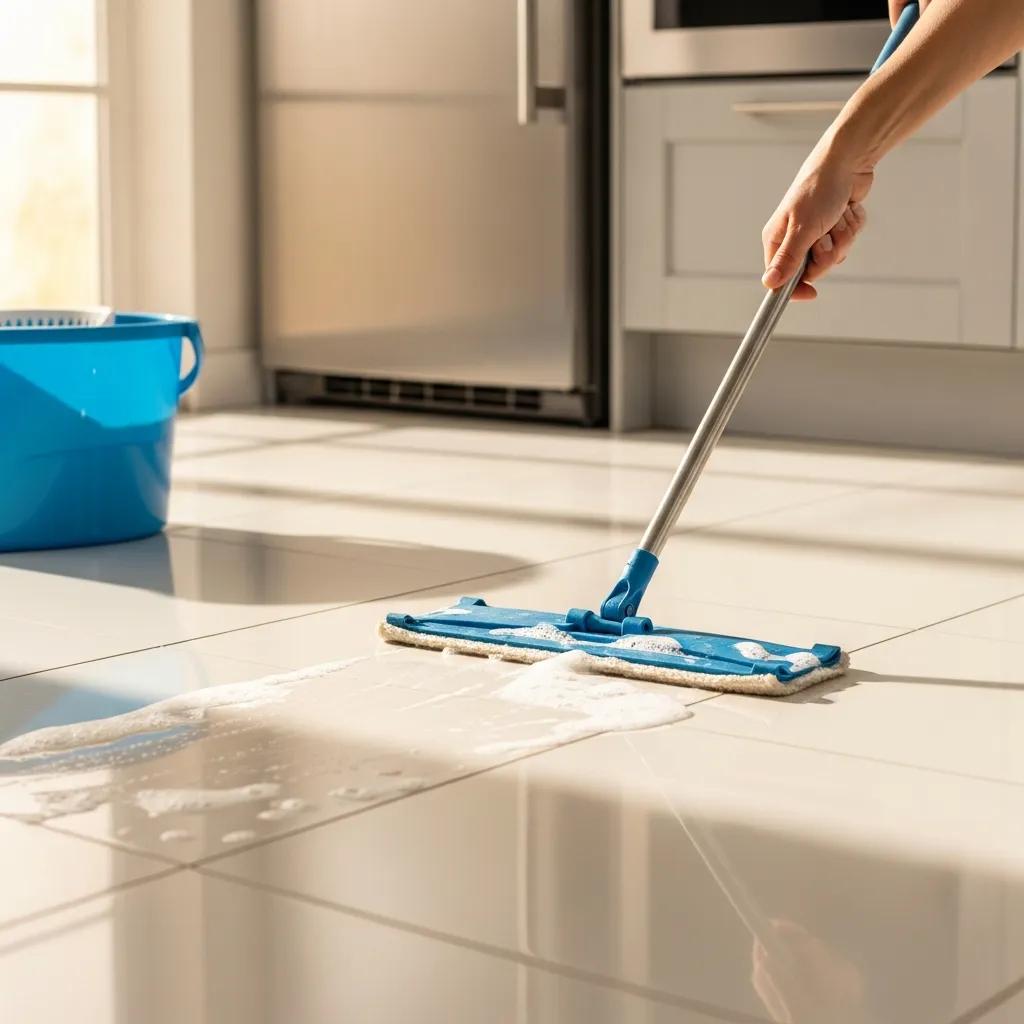
Proper maintenance is key to extending the life of your tile floors. Here are some best practices:
- Regular Cleaning: Sweep or vacuum regularly to remove dirt and debris. Use a damp mop with a mild detergent for deeper cleaning.
- Sealing: For natural stone tiles, sealing is essential to protect against stains and moisture. Follow manufacturer recommendations for frequency.
- Addressing Spills: Clean spills promptly to prevent staining, especially on porous surfaces.
Installation Considerations:
Installing tile flooring requires careful planning and execution. Here are some key factors to consider:
- Subfloor Preparation: Ensure the subfloor is level and clean before installation. An uneven surface can lead to cracking and other issues.
- Professional Installation: Hiring professionals can ensure a high-quality installation, reducing the risk of common mistakes. Dartmouth Building Supply emphasizes the importance of contacting professionals for installation services to achieve the best results.
- Common Mistakes: Avoiding common installation errors, such as improper spacing and inadequate adhesive application, is crucial for a long-lasting floor.
Comfort and Practicality:
Balancing aesthetics with comfort is essential in kitchen flooring.
- Tile Hardness: While tiles are durable, their hardness can be uncomfortable for standing for long periods. Consider using area rugs in high-traffic areas for added comfort.
- Radiant Heating: Installing radiant heating beneath tile floors can enhance comfort, especially in colder climates.
- Noise Considerations: In multi-story homes, consider the noise impact of tile floors. Sound-absorbing underlayment can help mitigate noise transmission.
What Are the Most Durable Tile Flooring Options for Your Kitchen?
When considering durability, the most reliable options include:
- Porcelain Tiles: Known for their strength and water resistance, porcelain tiles are ideal for high-traffic kitchens.
- Natural Stone Tiles: While they require more maintenance, natural stone tiles can last a lifetime if properly cared for.
- Ceramic Tiles: Affordable and versatile, ceramic tiles are suitable for moderate use and come in various styles.
How Do Ceramic and Porcelain Tiles Compare in Durability and Suitability?
Ceramic and porcelain tiles are both excellent choices, but they differ in durability and application:
- Ceramic Tiles: Generally less dense, making them suitable for light to moderate traffic areas.
- Porcelain Tiles: More durable and water-resistant, making them ideal for kitchens with heavy use.
What Are the Benefits of Natural Stone Tiles for Flooring?
Natural stone tiles offer several advantages:
- Aesthetic Appeal: Each stone tile is unique, providing a one-of-a-kind look.
- Durability: With proper care, natural stone can last for decades.
- Value Addition: Natural stone can enhance the overall value of your home.
Which Tile Installation Tips Ensure Long-Lasting and Quality Floors?
To ensure a successful tile installation, consider these tips:
- Proper Subfloor Preparation: Ensure the subfloor is clean and level.
- Use Quality Adhesives: Select adhesives suitable for the tile type and environment.
- Follow Manufacturer Guidelines: Adhere to installation instructions for the best results.
What Are the Best Practices for Preparing Subfloors and Using Underlayment?
Preparing subfloors is crucial for a successful tile installation:
- Check for Moisture: Ensure the subfloor is dry to prevent mold and damage.
- Use Appropriate Underlayment: Select underlayment that suits the tile type and installation method.
How Should Grout and Adhesives Be Selected and Applied?
Choosing the right grout and adhesives is essential for durability:
- Grout Selection: Use sanded grout for wider joints and unsanded for narrow joints.
- Adhesive Application: Follow the manufacturer’s instructions for application techniques.
How Can You Maintain and Extend the Life of Your Tile Floors?
To keep your tile floors looking new, follow these maintenance tips:
- Regular Cleaning: Establish a cleaning routine to prevent dirt buildup.
- Sealing: Seal natural stone tiles as recommended to protect against stains.
- Prompt Repairs: Address any chips or cracks immediately to prevent further damage.
What Are Effective Cleaning and Sealing Methods for Different Tile Types?
Different tile types require specific cleaning and sealing methods:
- Ceramic and Porcelain: Use mild detergents and avoid abrasive cleaners.
- Natural Stone: Use pH-neutral cleaners and seal regularly to maintain appearance.
How Often Should Tile Floors Be Inspected and Repaired?
Regular inspections can help maintain your tile floors:
- Inspection Frequency: Check for damage every six months.
- Repair Tips: Address any issues promptly to prevent further damage.
Why Choose Professional Design Consultation and Local Expertise for Your Tiling Project?
Engaging with professionals can provide significant benefits:
- Cost Savings: Expert guidance can help avoid costly mistakes.
- Personalized Design Services: Professionals can tailor solutions to your specific needs.
- Local Market Knowledge: Understanding local trends and materials can enhance your project.
How Do Local Building Codes and Climate Affect Tile Selection and Installation?
Local building codes and climate considerations are crucial in tile selection:
- Building Codes: Ensure compliance with local regulations for safety and durability.
- Climate Considerations: Select materials that withstand local weather conditions.
What Value Does Expert Advice Bring to Residential and Commercial Flooring Projects?
Expert advice can enhance the quality of your flooring project:
- Material Selection: Professionals can recommend the best materials for your needs.
- Installation Techniques: Accurate installation methods ensure longevity and performance.
- Long-Term Value: Investing in expert advice can lead to better outcomes and satisfaction.